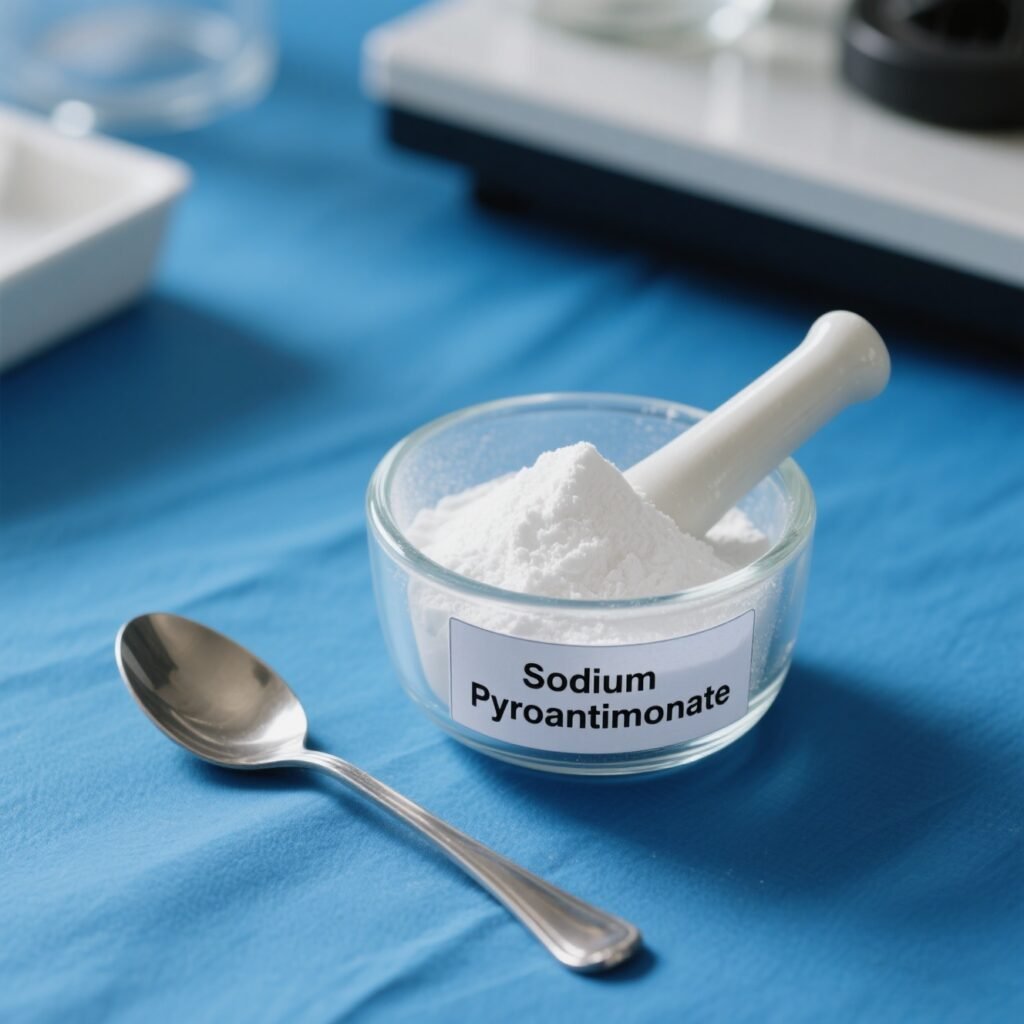
High-Purity Clarifying Agent for Glass and Flame-Retardant Applications
cas : 12507-68-5
Sodium pyroantimonate is mainly used as clarifying agent for picture tube glass, optical glass and other glass, also used in enamel, ceramics and flame retardant industries.
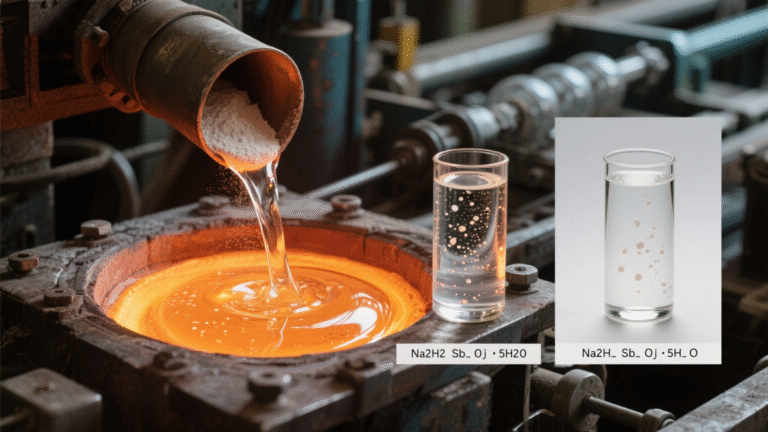
Sodium Pyroantimonate, also known as Disodium dihydrogen pyroantimonate, is a hydrated antimony salt commonly used in solar glass, cathode ray tubes (CRT), optical glass, and advanced ceramics. Its strong decolorizing and clarifying effects eliminate bubbles and iron tint in molten glass, significantly improving transparency and strength.
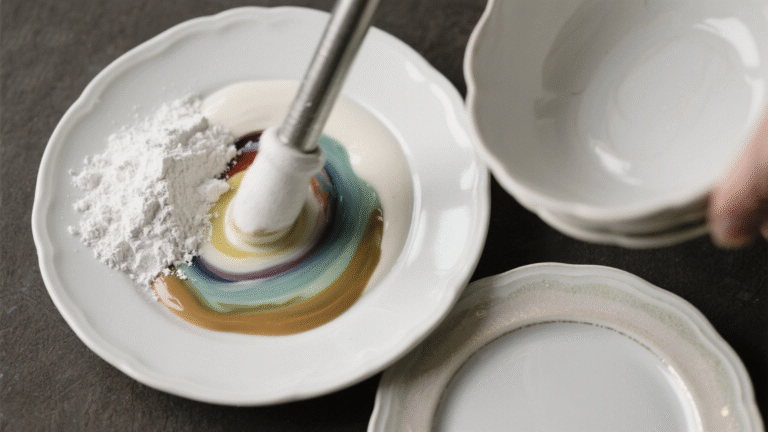
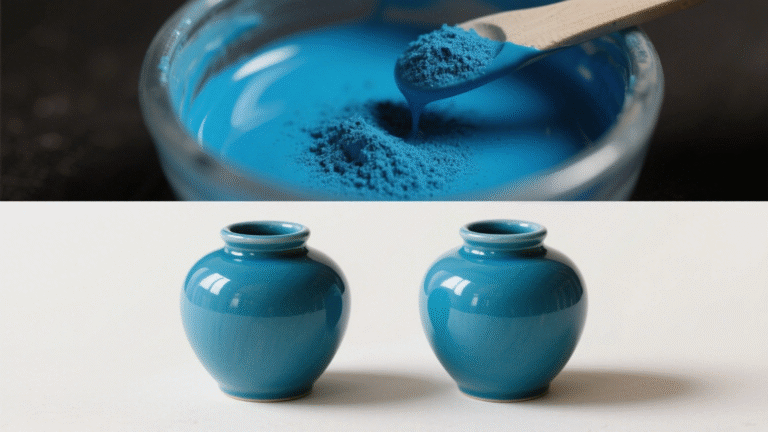
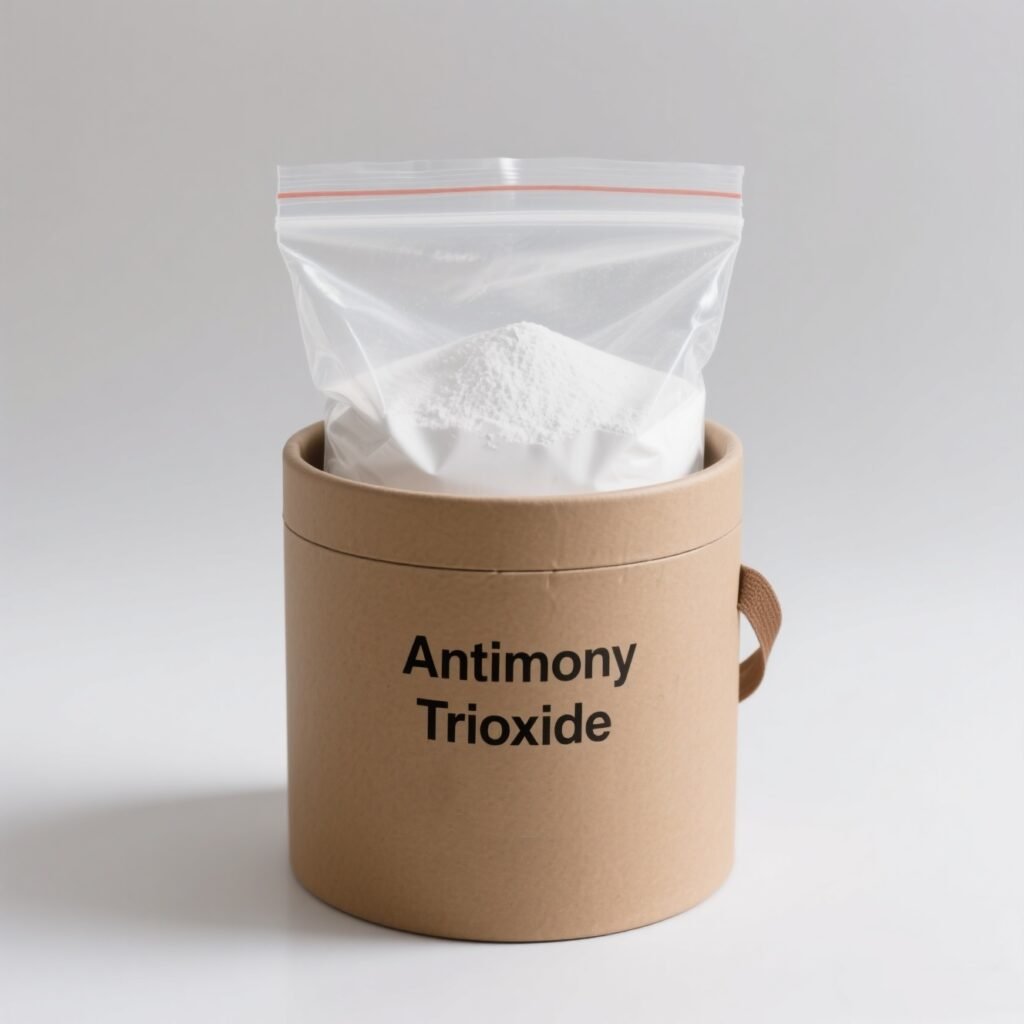
It also acts as a whitening agent in enamels and ceramic glazes, delivering uniform opacity and color fidelity. In flame-retardant formulations, it can partially substitute antimony trioxide, offering cost-effective performance.
Key Features
Superior Clarity Effect in optical, ultra-clear, and solar glass.
High Antimony Content supports efficient flame retardancy and whiteness.
Excellent Dispersibility in ceramic, enamel, and polymer matrices.
Multi-functional: acts as clarifier, opacifier, or flame retardant depending on formulation.
Stable under High Temperatures, ideal for melting and sintering environments.
Applications
Glass Clarification Agent
Enhances transparency and gloss of glass, improving quality.
Enamel Opacifier
Improves uniformity and gloss in ceramic and enamel production.
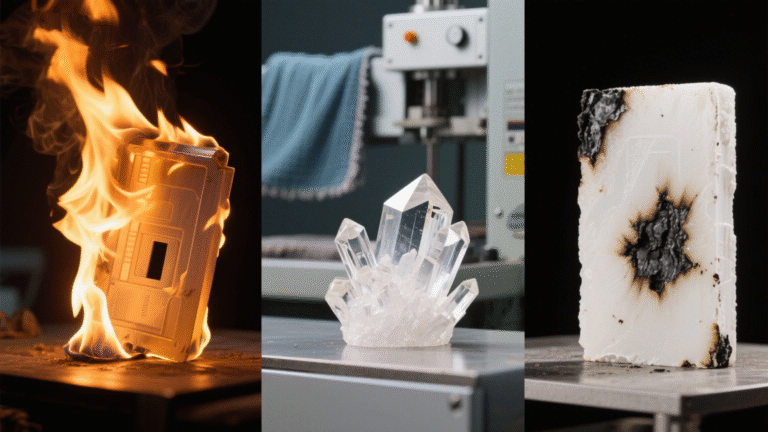
Flame Retardant Additive
Increases fire resistance in plastics, rubber, and textiles.
Ceramics Stabilizer
Enhances gloss and surface quality of ceramics and porcelain.
Glass Clarification Agent
Enhances transparency and gloss of glass, improving quality.
Enamel Opacifier
Improves uniformity and gloss in ceramic and enamel production.
Flame Retardant Additive
Increases fire resistance in plastics, rubber, and textiles.
Ceramics Stabilizer
Enhances gloss and surface quality of ceramics and porcelain.
Parameter indicators
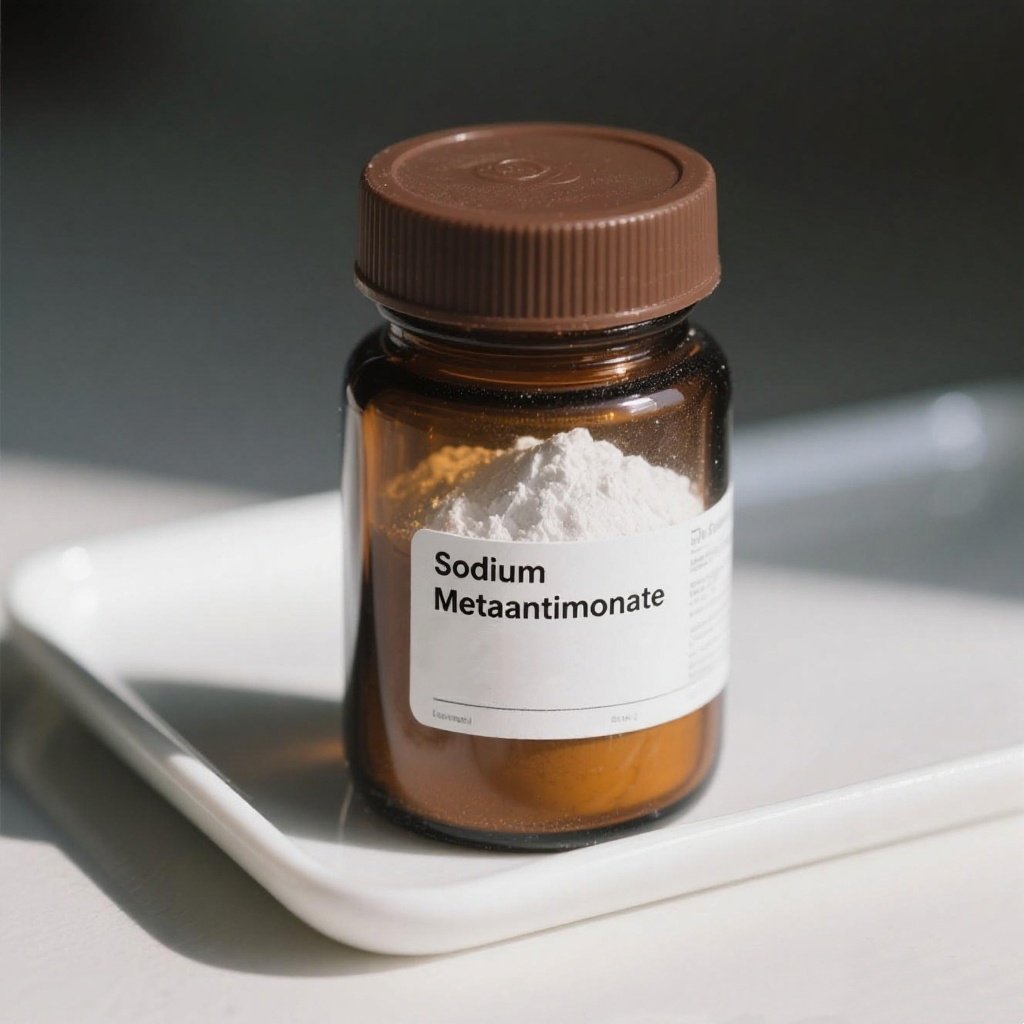
Sodium Pyroantimonate / Sodium Metaantimonate refer to the same antimonate salt family used in industrial glass fining, flame retardancy and ceramic opacification. The hydration state differs but specifications below apply to both naming conventions.
White or off-white fine crystalline powder or granules
Thermal Stability
Stable up to 1000 ℃ without decomposition
Solubility
Insoluble in water, acetic acid, dilute alkali and dilute mineral acids; soluble in tartaric acid, sodium sulfide solution and concentrated sulfuric acid; hydrolyzes in hot water to form a colloid
Hazard Classification
Inorganic antimony compound — handle with PPE per OSHA / REACH SDS
Quality Specifications (Typical)
Item
Industrial Grade
High-Purity Grade
Method
Sb₂O₅ content (%)
≥ 75.0
≥ 76.5
GB/T 4062 / titration
Na₂O content (%)
14.5 – 16.5
14.5 – 16.5
AAS
As (ppm)
≤ 50
≤ 30
AAS / ICP-OES
Pb (ppm)
≤ 50
≤ 30
AAS / ICP-OES
Fe (ppm)
≤ 80
≤ 40
AAS
Loss on ignition at 800 ℃ (%)
≤ 1.5
≤ 1.0
Gravimetric
Particle size, D50
1 – 3 μm
1 – 3 μm
Laser diffraction
Manufacturing Process
Production proceeds via the wet hydrogen-peroxide oxidation route: Sb₂O₃ + 2 NaOH + 2 H₂O₂ → 2 NaSbO₃ + 3 H₂O. The process delivers high product purity with minimised arsenic / lead carry-over, low effluent burden, and competitive unit cost. Nitric-acid oxidation, chlorination-neutralization and ozone-alkaline routes are also available for special-grade requirements.
Clarification Mechanism (Glass Industry)
At glass-melting temperatures (≥1100 ℃) sodium antimonate decomposes and releases molecular O₂. The rising bubbles agglomerate and carry away micro-bubbles trapped in the melt, achieving clarification. Simultaneously residual Fe²⁺ is oxidised to Fe³⁺ — Fe³⁺ absorbs at the UV edge rather than in the visible range, decolouring the glass and improving optical clarity. As an As-free fining agent it complies with REACH SVHC restrictions on arsenic compounds.
Packaging specifications
Vacuum packed in aluminum-plastic composite bag, 25kg per bag, one tote per ton.
FAQs for Sodium Pyroantimonate
What is Sodium Pyroantimonate used for? Mainly as a clarifying agent in solar and optical glass. It also functions as an opacifier in ceramics and a flame retardant additive.
Is it soluble in water? It is insoluble in water, but fully dispersible in molten glass or enamel.
Can it replace antimony trioxide in all flame-retardant systems? It can partially replace Sb₂O₃ in many systems but may not offer the same efficiency in all plastics.
Do you offer custom grades? We can adjust particle size, moisture level, or packaging format upon request.
Is it REACH compliant? Yes, our Sodium Pyroantimonate is REACH pre-registered and RoHS compliant. Full documentation is provided.
Is Sodium Pyroantimonate the same as Sodium Metaantimonate?
Chemically and commercially they refer to the same antimonate salt family with the same CAS No. 15432-85-6 (alternative CAS designations exist for specific hydration states). The naming difference originates from hydration state and historical convention. Our material is suitable for both designations.
Why is Sodium Pyroantimonate preferred over Antimony Trioxide in solar glass?
Sodium pyroantimonate provides simultaneous fining and decolouration without introducing the yellow tint typical of As/Sb-trioxide systems. Its higher thermal stability (stable up to 1000 ℃) ensures more consistent fining behaviour in ultra-clear, solar and display glass.
Can I get a Certificate of Analysis and TDS?
Yes. Each lot ships with a Mill Test Certificate including assay, particle size distribution and heavy-metal results. REACH SVHC, RoHS and food-contact compliance statements are available on request.