...

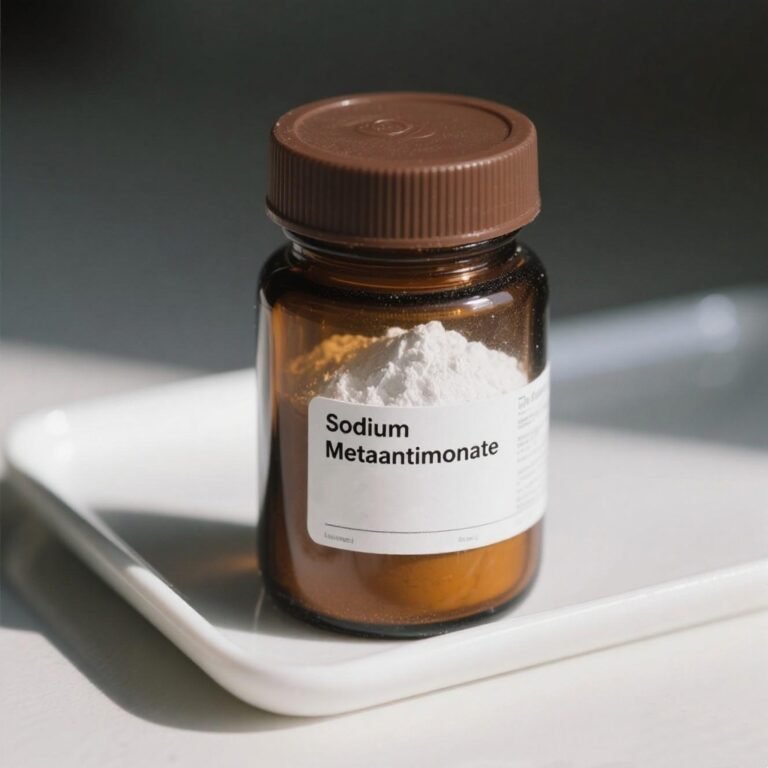
Sodium Metaantimonate

Versatile Antimony-Based Additive for Glass, Ceramics, and Catalysis

Sodium Meta-Antimonate is a high-purity, white crystalline powder used primarily in glass clarification, ceramic glaze opacification, and industrial catalysis. It offers high thermal and chemical stability, and excellent dispersion in molten glass and enamel systems.

Product Overview

Sodium Meta-Antimonate (NaSbO₃·xH₂O) is an inorganic antimony compound widely used as a clarifying and whitening agent in glass and ceramic production. It effectively removes microbubbles and color impurities during high-temperature melting processes.

With its stable oxidation state and high Sb content, Sodium Meta-Antimonate is also utilized in catalytic applications and specialty flame-retardant systems.

Key Features

  • High Antimony Content enables strong clarification and whiteness effects.

  • Excellent Thermal Stability up to 600°C.

  • Low Impurity Level suitable for precision glass and ceramic applications.

  • Broad Compatibility with silicates, borosilicates, and enamels.

  • Environmentally Safer alternative to lead-based whiteners.

Applications

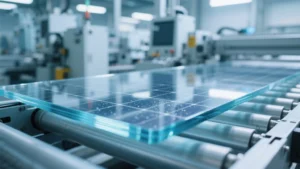
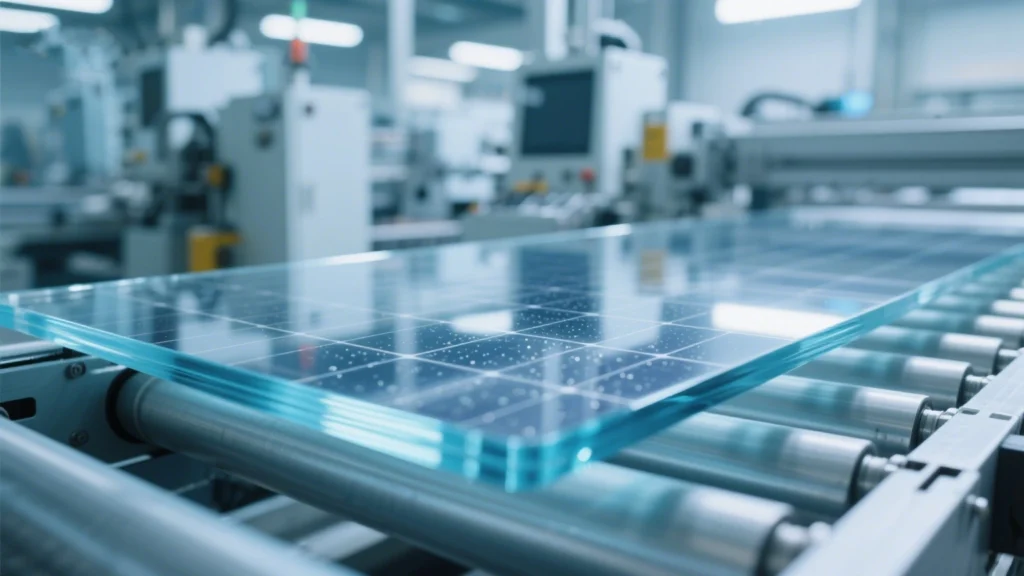
Solar & Optical Glass

Functions as a clarifying agent to remove gas bubbles and enhance light transmittance.

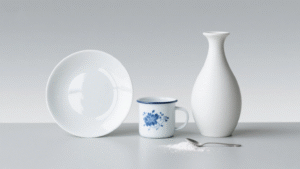
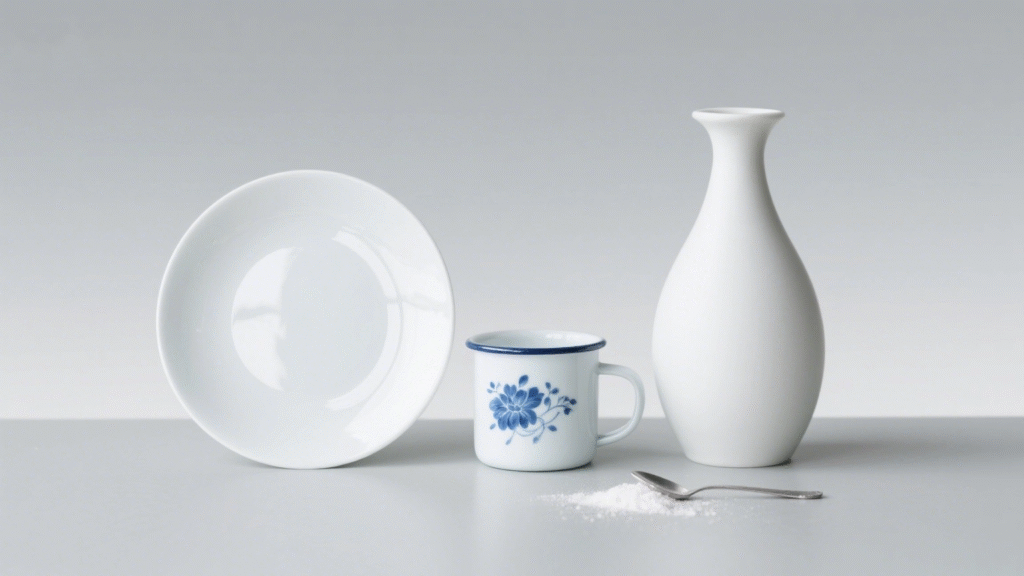
Ceramics & Enamels

Acts as a white opacifier, creating uniform brightness and surface finish in porcelain and glaze.

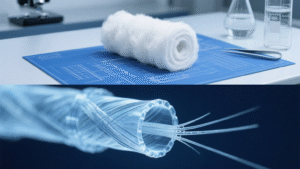
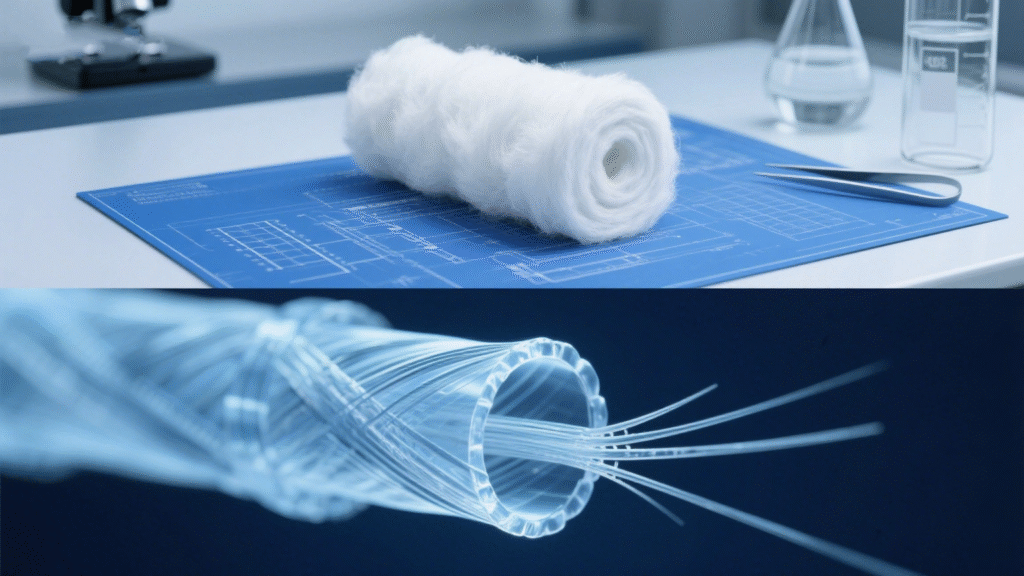
Glass Wool and Fiberglass

Supports glass fiber clarity and stability in insulation applications.

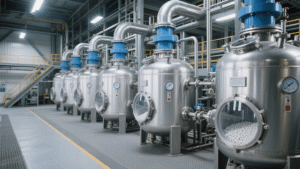
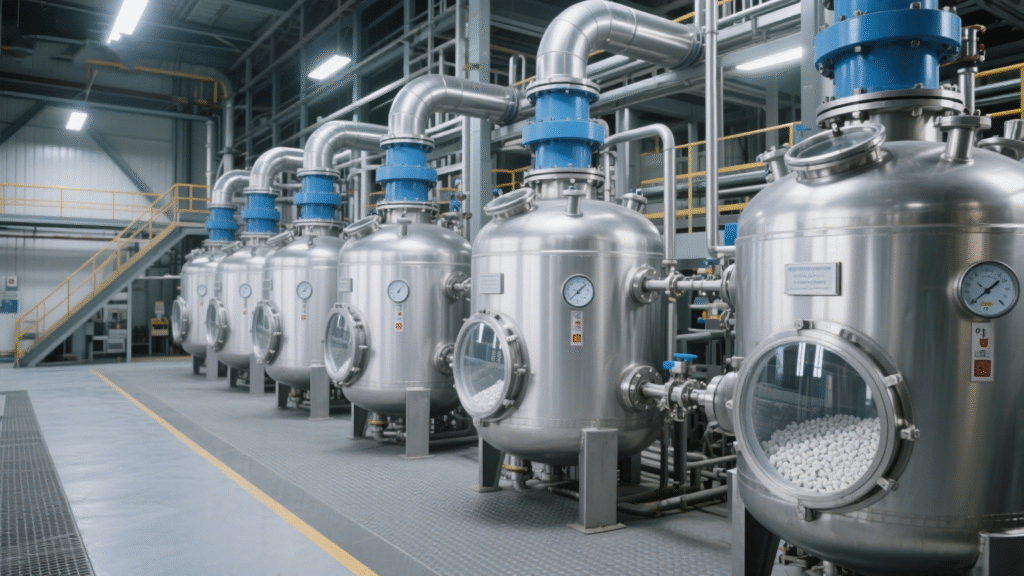
Catalysis

Used in heterogeneous catalysts due to stable antimony oxidation state.

Solar & Optical Glass

Functions as a clarifying agent to remove gas bubbles and enhance light transmittance.

Ceramics & Enamels

Acts as a white opacifier, creating uniform brightness and surface finish in porcelain and glaze.

Glass Wool and Fiberglass

Supports glass fiber clarity and stability in insulation applications.

Catalysis

Used in heterogeneous catalysts due to stable antimony oxidation state.

Parameter indicators

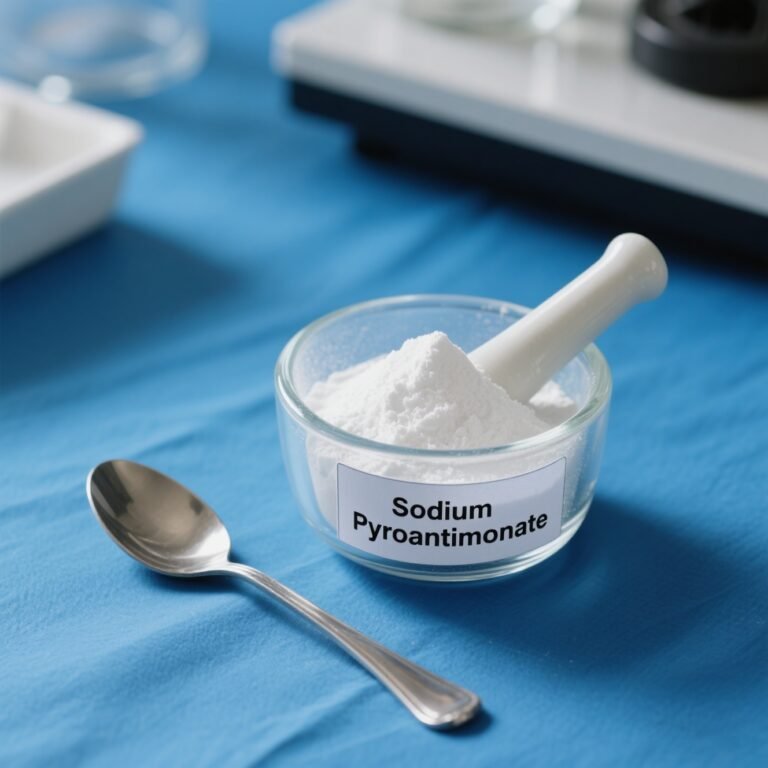
Sodium Pyroantimonate / Sodium Metaantimonate refer to the same antimonate salt family used in industrial glass fining, flame retardancy and ceramic opacification. The hydration state differs but specifications below apply to both naming conventions.

Technical Data

PropertySpecification
Chinese Names偏锑酸钠 / 锑酸钠 / 焦锑酸钠
English NamesSodium Antimonate / Sodium Pyroantimonate / Sodium Metaantimonate
CAS No.15432-85-6 (also 12507-68-5 hexahydrate / 12312-89-1 metaantimonate naming)
Chemical FormulaNaSbO₃ / NaSb(OH)₆ / Na₂H₂Sb₂O₇·xH₂O
AppearanceWhite or off-white fine crystalline powder or granules
Thermal StabilityStable up to 1000 ℃ without decomposition
SolubilityInsoluble in water, acetic acid, dilute alkali and dilute mineral acids; soluble in tartaric acid, sodium sulfide solution and concentrated sulfuric acid; hydrolyzes in hot water to form a colloid
Hazard ClassificationInorganic antimony compound — handle with PPE per OSHA / REACH SDS

Quality Specifications (Typical)

ItemIndustrial GradeHigh-Purity GradeMethod
Sb₂O₅ content (%)≥ 75.0≥ 76.5GB/T 4062 / titration
Na₂O content (%)14.5 – 16.514.5 – 16.5AAS
As (ppm)≤ 50≤ 30AAS / ICP-OES
Pb (ppm)≤ 50≤ 30AAS / ICP-OES
Fe (ppm)≤ 80≤ 40AAS
Loss on ignition at 800 ℃ (%)≤ 1.5≤ 1.0Gravimetric
Particle size, D501 – 3 μm1 – 3 μmLaser diffraction

Manufacturing Process

Production proceeds via the wet hydrogen-peroxide oxidation route: Sb₂O₃ + 2 NaOH + 2 H₂O₂ → 2 NaSbO₃ + 3 H₂O. The process delivers high product purity with minimised arsenic / lead carry-over, low effluent burden, and competitive unit cost. Nitric-acid oxidation, chlorination-neutralization and ozone-alkaline routes are also available for special-grade requirements.

Clarification Mechanism (Glass Industry)

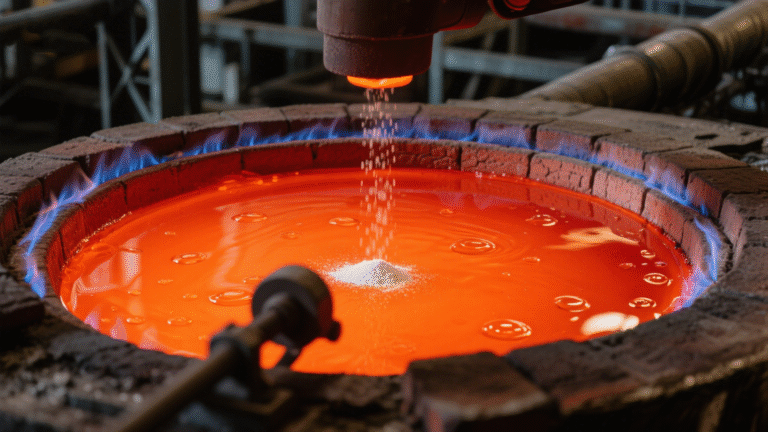
At glass-melting temperatures (≥1100 ℃) sodium antimonate decomposes and releases molecular O₂. The rising bubbles agglomerate and carry away micro-bubbles trapped in the melt, achieving clarification. Simultaneously residual Fe²⁺ is oxidised to Fe³⁺ — Fe³⁺ absorbs at the UV edge rather than in the visible range, decolouring the glass and improving optical clarity. As an As-free fining agent it complies with REACH SVHC restrictions on arsenic compounds.

Packaging specifications

  • Packaging Options:

    • 25 kg PE-lined kraft bags

    • 500 kg and 1000 kg jumbo bags

  • Storage:
    Store in dry conditions. Keep sealed after use to avoid moisture pickup.


FAQs for Sodium Metaantimonate

1. Is Sodium Meta-Antimonate the same as Sodium Pyroantimonate?
No, they are structurally different. Meta-antimonate has a different crystalline structure and solubility.

2. Can it be used in glass fiber production?
Yes. It is compatible with most glass fiber formulations.

3. What purity grades are available?
Standard grade is ≥98.5% Sb₂O₃. Higher purity available upon request.

4. Is this product hazardous?
It is classified as non-hazardous under international transport standards.

5. Do you offer samples?
Yes. Free 100–500g samples are available for qualified industrial users.

What is the difference between Sodium Metaantimonate and Sodium Pyroantimonate?

They are the same antimonate salt family. The two names historically refer to slightly different hydration states (meta = NaSbO₃, pyro = Na₂H₂Sb₂O₇·xH₂O), but in industrial use the materials are functionally interchangeable. We supply both designations from the same production process.

Can your product replace arsenic-based fining agents in optical glass?

Yes. Sodium metaantimonate is one of the most widely accepted arsenic-free alternatives for fining display, optical and ultra-clear glass, and complies with REACH SVHC restrictions on arsenic compounds.

What particle size distribution should I order?

Default D50 is 1–3 μm. For specialty optical fining we offer narrower distributions (D50 1.5–2.0 μm) and for ceramic opacifier applications a coarser cut is available on request.
Let's start talking with us

Contact our technical team for personalized advice.

Location

Weisan Road, Green Petrochemical Advanced Materials Base, Mengjin District, Luoyang City

Email us

lyhaihui@haihuixincai.com

Call us

Phone : +86 18837924812

Send us a message

We will be in touch shortly.

Our engineers will analyze your needs and recommend the best products and usage methods free of charge.

How Can We Help?