
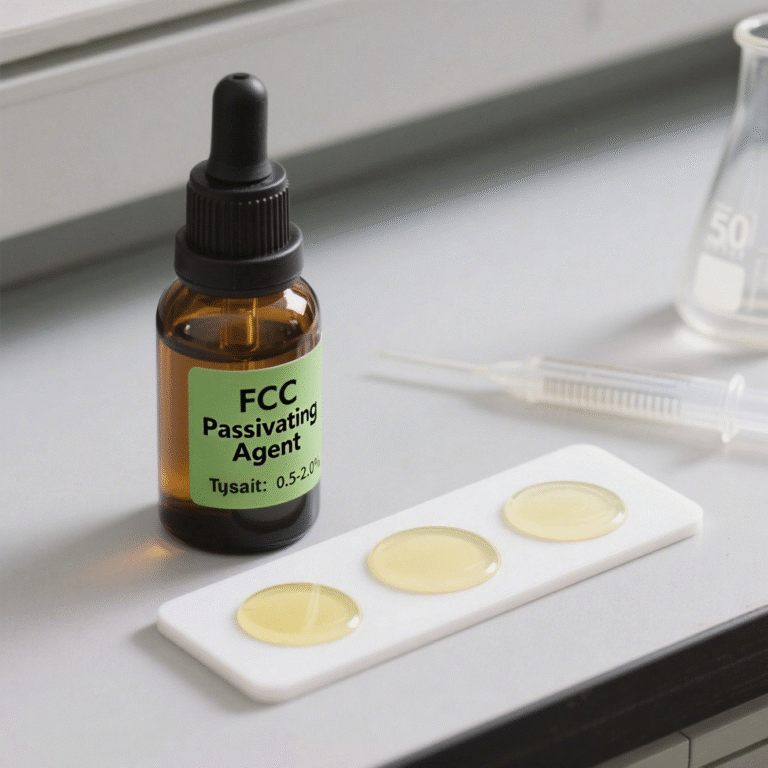
FCC Passivating Agent
Heavy Metal Passivation Solution for FCC Catalysts in Oil Refining
Petroleum Passivator is a high-performance additive specifically developed for Fluid Catalytic Cracking (FCC) and residue hydrotreating processes. It effectively neutralizes the harmful effects of heavy metals such as nickel, vanadium, iron, and copper, thereby extending catalyst life, improving product yield, and reducing coke formation.
Product Overview
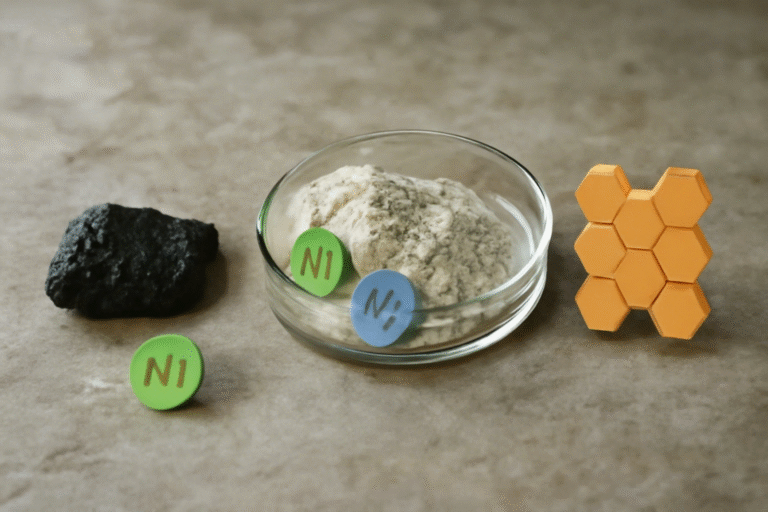
In oil refining, heavy metals like Ni and V in crude oil residues poison FCC catalysts, leading to reduced activity and excessive dry gas or coke. Our Petroleum Passivator forms stable compounds with these metals, immobilizing their catalytic activity, and protecting the zeolite catalyst structure.
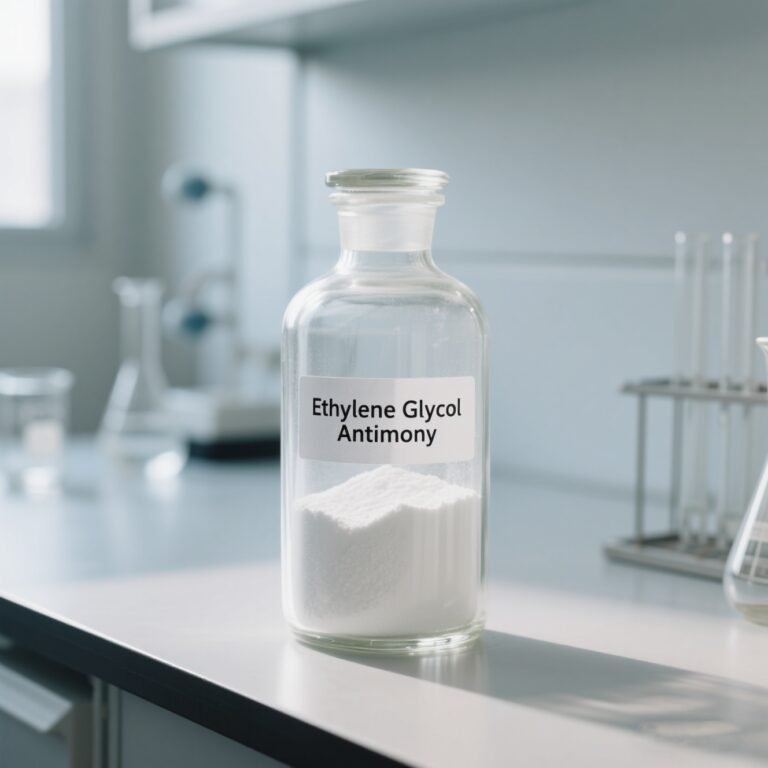
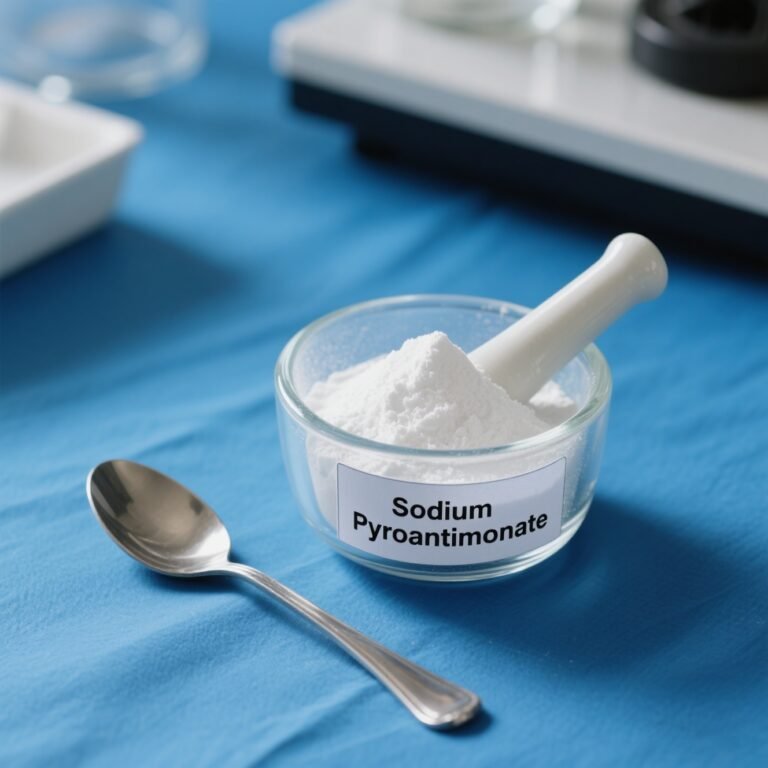
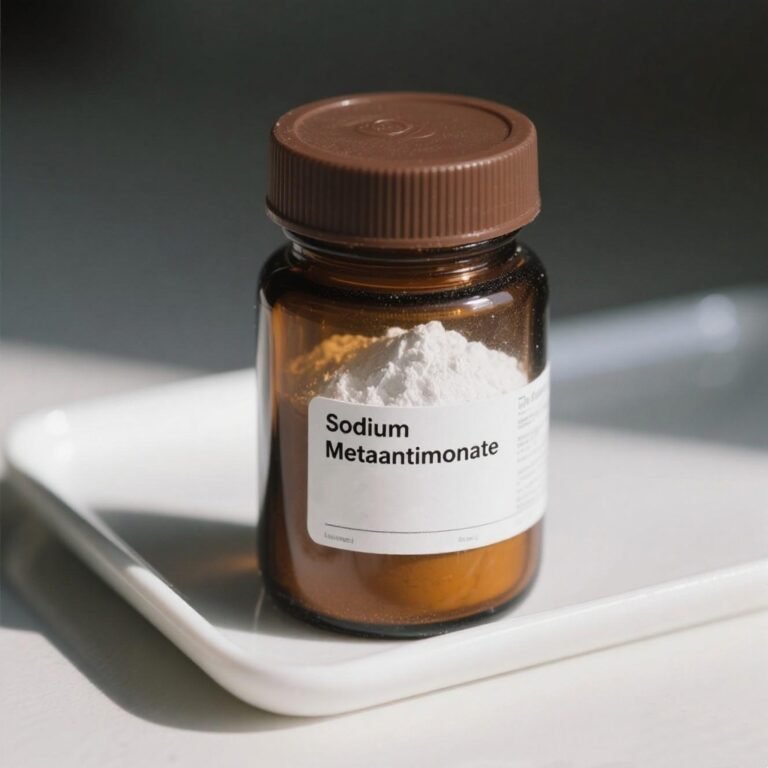
Formulated using antimony-based, magnesium-based, or composite metal agents, our passivators are thermally stable, highly dispersible, and customizable based on specific crude characteristics.
Key Features
Strong Ni/V Inhibition efficiency >90%
Reduces Coke and Dry Gas Yield
Improves Light Oil Yield and conversion ratio
Compatible with Most Crude Types including high-metal residues
Environmentally Friendly and ash-free options available
Applications
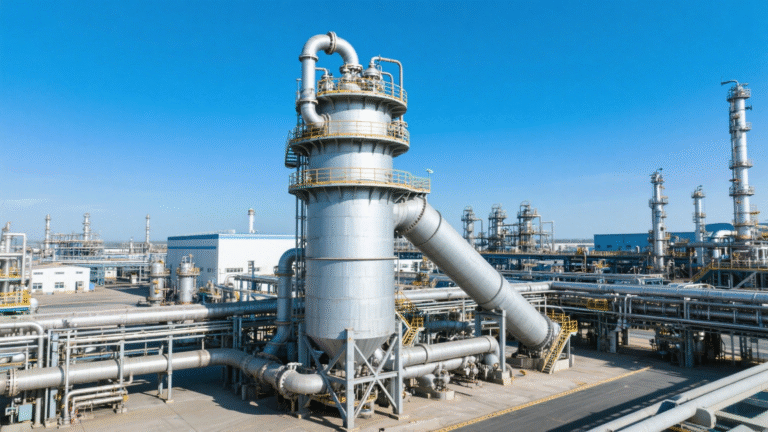
FCC Unit (Fluid Catalytic Cracking)
Used to prevent catalyst deactivation by Ni/V during cracking of atmospheric or vacuum residue.
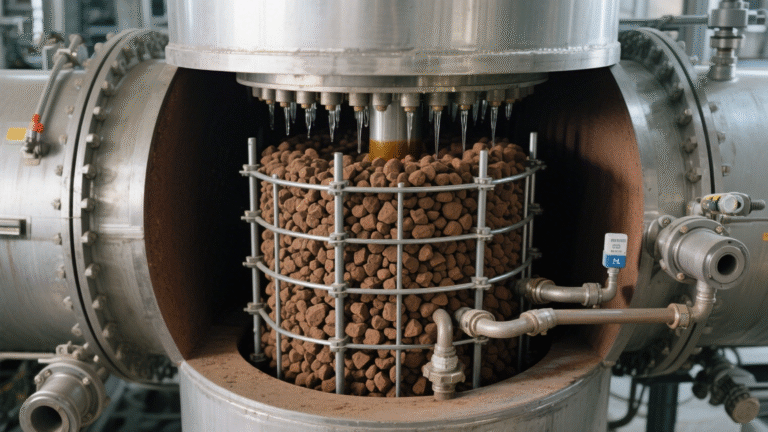
Hydroprocessing Units
Controls metal poisoning in hydrotreating and hydrocracking catalysts.
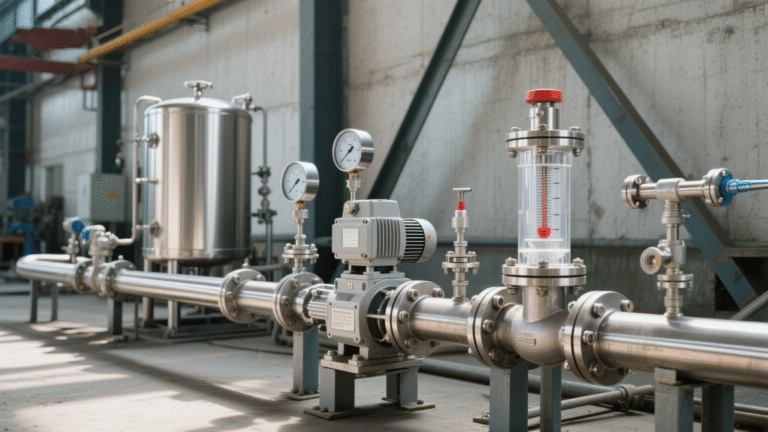
Visbreaking / Delayed Coking
Reduces metal contamination and minimizes coke formation.
Parameter indicators
Technical Data — Water-Soluble Antimony Passivator (JZ-1 Type)
| Item | Specification | Test Method |
|---|---|---|
| Appearance | Pale yellow-green liquid | Visual |
| Miscibility with water | Fully miscible | — |
| Freezing point (℃) | ≤ −10 (adjustable on request) | GB/T 510-2018 |
| Density at 20 ℃ (g/cm³) | 1.10 – 1.40 | GB/T 4472-1984 |
| Kinematic viscosity at 20 ℃ (mm²/s) | ≤ 4 | SH 0164-1992 (1998) |
| Antimony content (%) | ≥ 20 (adjustable on request) | GB/T 4062-2013 |
| Shelf stability | Approx. 6 months (0.5 a) sealed, cool storage | — |
Product Variants
| Type | Main Composition | Best For |
|---|---|---|
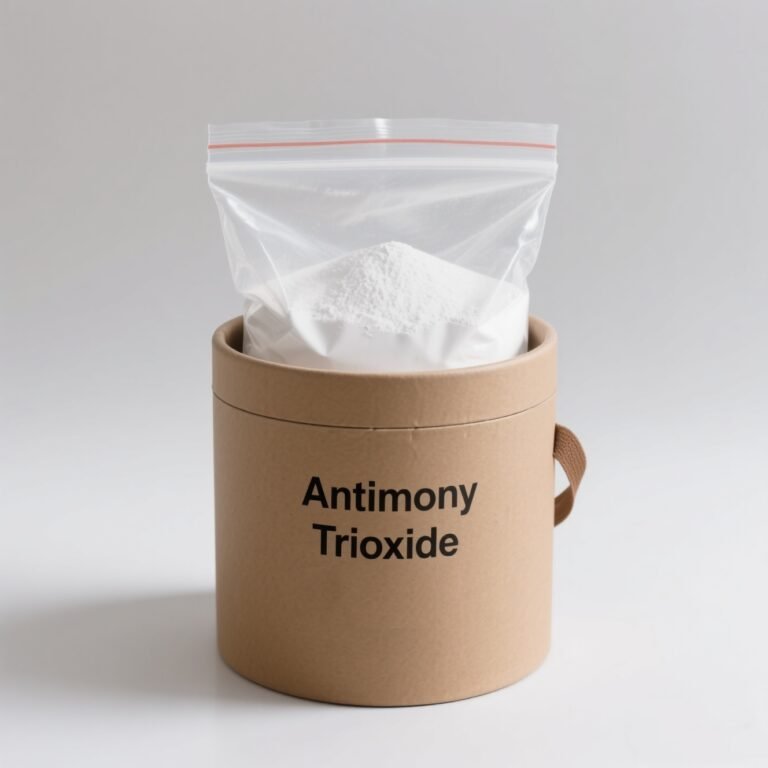
| Water-soluble (JZ-1) | Sb₂O₃ + acid + ammonium + water | Mainstream FCC — cost-effective, high stability, even catalyst dispersion |
| Oil-soluble | Organic antimony — antimony naphthenate, antimony mercaptide | Direct mix with feed oil; higher unit cost; potential equipment corrosivity |
| Sb-Sn composite | Antimony + tin compound system | Severe Ni + V contamination, dual-metal passivation |
Working Mechanism
Under FCC reactor conditions our antimony passivator thermally decomposes to release active Sb species. These react with nickel deposited on the catalyst to form a Sb-Ni alloy. The alloyed nickel exhibits dramatically reduced dehydrogenation activity — H₂ and coke yields drop, and valuable gasoline / diesel selectivity is recovered. The passivator distributes uniformly on the equilibrium catalyst, with the decomposed Sb⁵⁺ particles offering high specific surface area for efficient metal capture.
Dosing Guideline
Inject continuously into the FCC feed line via metering pump. The recommended Sb / Ni atomic ratio is 0.3 – 1.0, set based on feed nickel content and target passivation efficiency. Our engineering team can model expected H₂ / coke reduction from your operating data.
Safety & Handling
Antimony compounds have defined toxicity — use chemical-resistant gloves, goggles and a respirator when handling. Store sealed in a cool, dry, shaded area away from direct sunlight and high temperature. Some studies indicate antimony usage may slightly elevate NOx emissions; account for this in plant-level emission control planning.
Packaging specifications
Packaging Options:
200L plastic drum
1000L IBC tank
Bulk delivery available on request
Storage:
Store in ventilated area, away from strong oxidizers or heat sourcesShelf Life:
12 months in sealed condition at room temperature
FAQs for FCC Passivating Agent
1. What metals does this passivator target?
Mainly nickel, vanadium, iron, and copper in residue feedstocks.
2. How is it dosed?
Injected directly into feedstock or at pre-heater inlet via dosing pump.
3. Will it affect catalyst selectivity?
No. It stabilizes the catalyst environment and reduces harmful side reactions.
4. Is it compatible with other refinery additives?
Yes, our passivator is compatible with common anti-foulants and demulsifiers.
5. Can you assist in optimizing dosage?
Yes. Our engineers can assist with lab tests and field dosing programs.
How much can I expect to save on hydrogen and coke yield?
Typical refineries report 15–35% reduction in hydrogen yield and 10–25% reduction in coke yield after stable passivator dosing, depending on feed Ni level, Sb/Ni ratio and catalyst inventory. We provide engineering support to model expected gains from your operating data.
Will the antimony passivator corrode my FCC equipment?
Our water-soluble JZ-1 formulation is designed to avoid the corrosivity associated with some oil-soluble organic antimony compounds. The product is non-corrosive to carbon steel feed lines under normal injection conditions.
Do you supply oil-soluble or Sb-Sn composite passivators?
Yes. We supply water-soluble (default), oil-soluble organic-antimony, and Sb-Sn composite passivators. Send us your feed Ni / V analysis and reactor configuration and we will recommend the optimal grade.
How much can I expect to save on hydrogen and coke yield?
Typical refineries report 15–35% reduction in hydrogen yield and 10–25% reduction in coke yield after stable passivator dosing, depending on feed Ni level, Sb/Ni ratio and catalyst inventory. We provide engineering support to model expected gains from your operating data.
Will the antimony passivator corrode my FCC equipment?
Our water-soluble JZ-1 formulation is designed to avoid the corrosivity associated with some oil-soluble organic antimony compounds. The product is non-corrosive to carbon steel feed lines under normal injection conditions.
Do you supply oil-soluble or Sb-Sn composite passivators?
Yes. We supply water-soluble (default), oil-soluble organic-antimony, and Sb-Sn composite passivators. Send us your feed Ni / V analysis and reactor configuration and we will recommend the optimal grade.
Let's start talking with us
Contact our technical team for personalized advice.
Location
Weisan Road, Green Petrochemical Advanced Materials Base, Mengjin District, Luoyang City
Email us
lyhaihui@haihuixincai.com
Call us
Phone : +86 18837924812
Send us a message
We will be in touch shortly.
Our engineers will analyze your needs and recommend the best products and usage methods free of charge.