
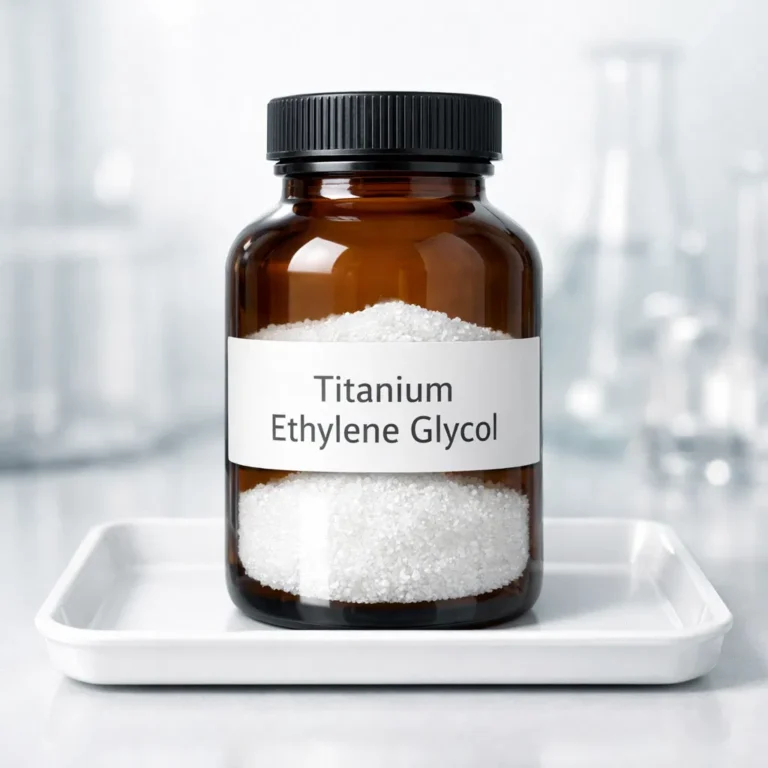
Titanium Ethylene Glycol
High-Efficiency, Eco-Friendly Catalyst for Superior Polyester Production
Product Overview
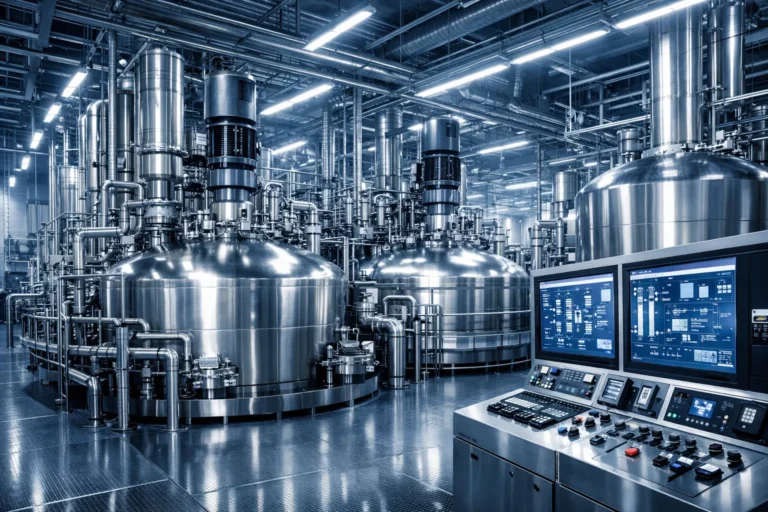
Key Features
High Catalytic Activity enables rapid reaction rates and high production efficiency.
Superior Color Control prevents yellowing and ensures high brightness (L-value) in PET resins.
Eco-friendly & Antimony-free composition meets the strictest global environmental and food-safety standards.
Excellent Thermal Stability maintains consistent polymer quality during high-temperature processing.
Optimized Spinnability for high-speed fiber and film production, reducing downtime and breakages.
Applications
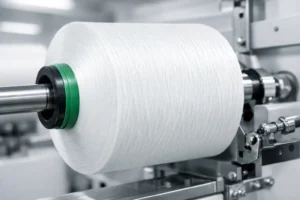
Fiber-Grade Polyester
Ideal for high-speed spinning of polyester filaments and staple fibers, ensuring high strength and excellent dyeability.
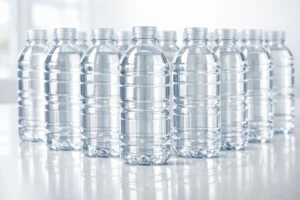
Bottle-Grade PET
Provides superior clarity and brightness for beverage bottles, meeting strict food-safety and antimony-free requirements.
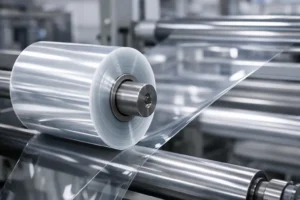
Film-Grade Polyester
Used in high-performance BOPET films, offering exceptional transparency and thermal stability for optical applications.
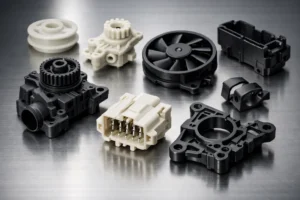
Engineering Plastics
Enhances the mechanical properties and thermal stability of polyester-based engineering plastics for automotive and electronic parts.
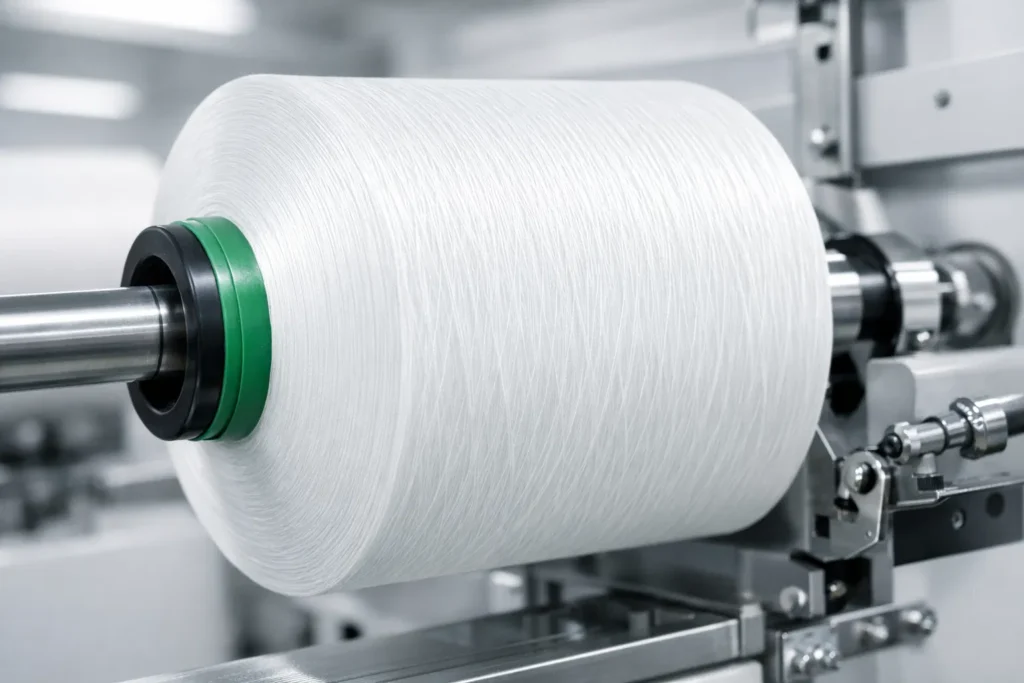
Fiber-Grade Polyester
Ideal for high-speed spinning of polyester filaments and staple fibers, ensuring high strength and excellent dyeability.
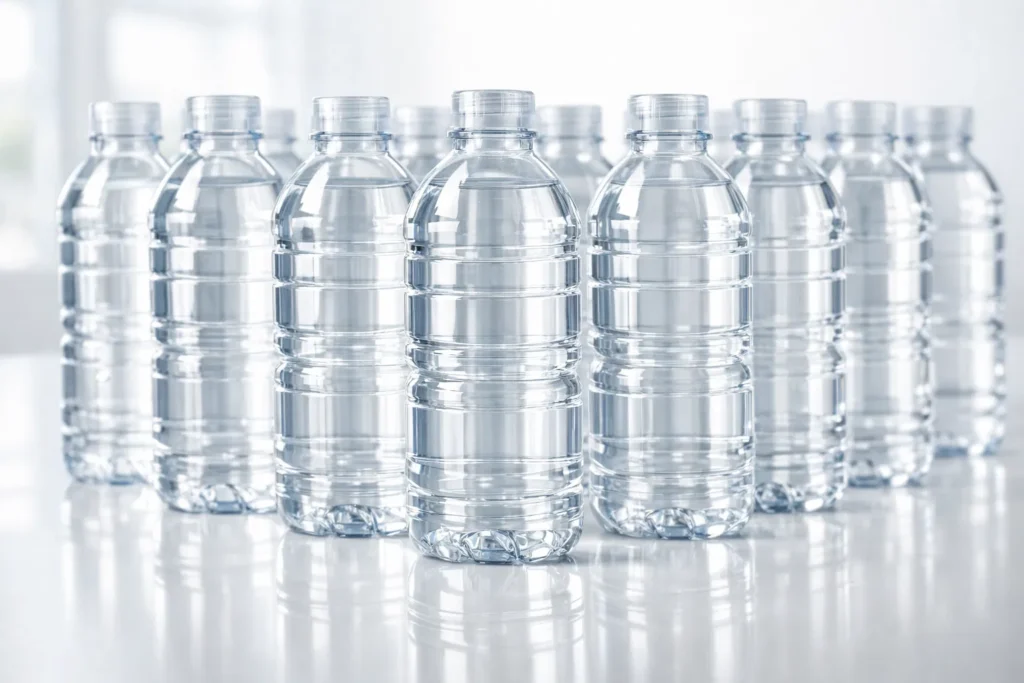
Bottle-Grade PET
Provides superior clarity and brightness for beverage bottles, meeting strict food-safety and antimony-free requirements.
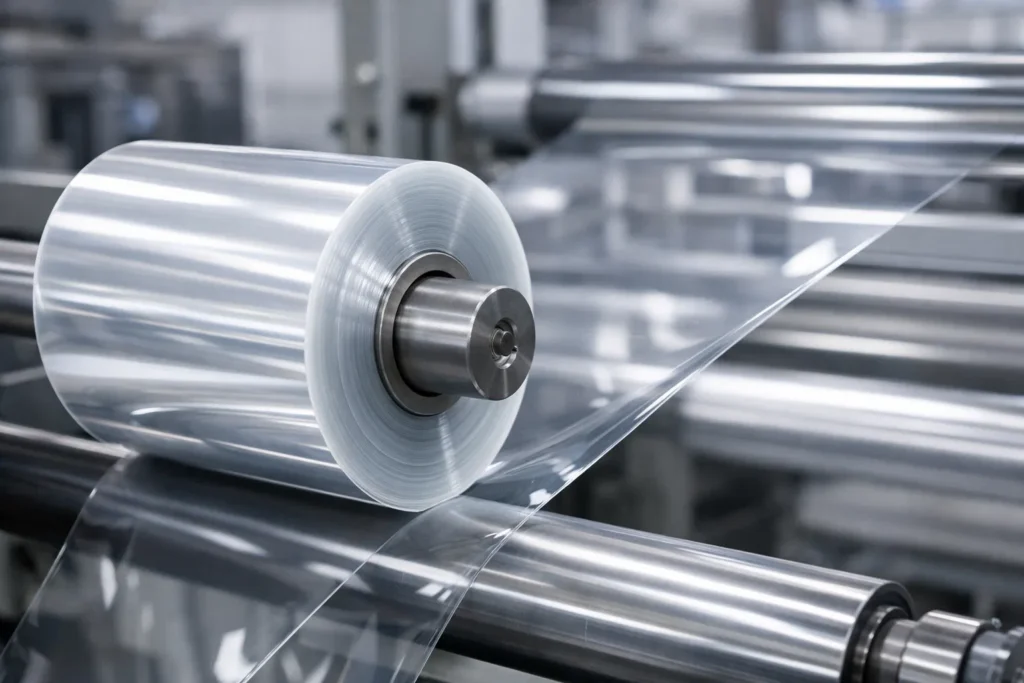
Film-Grade Polyester
Used in high-performance BOPET films, offering exceptional transparency and thermal stability for optical applications.
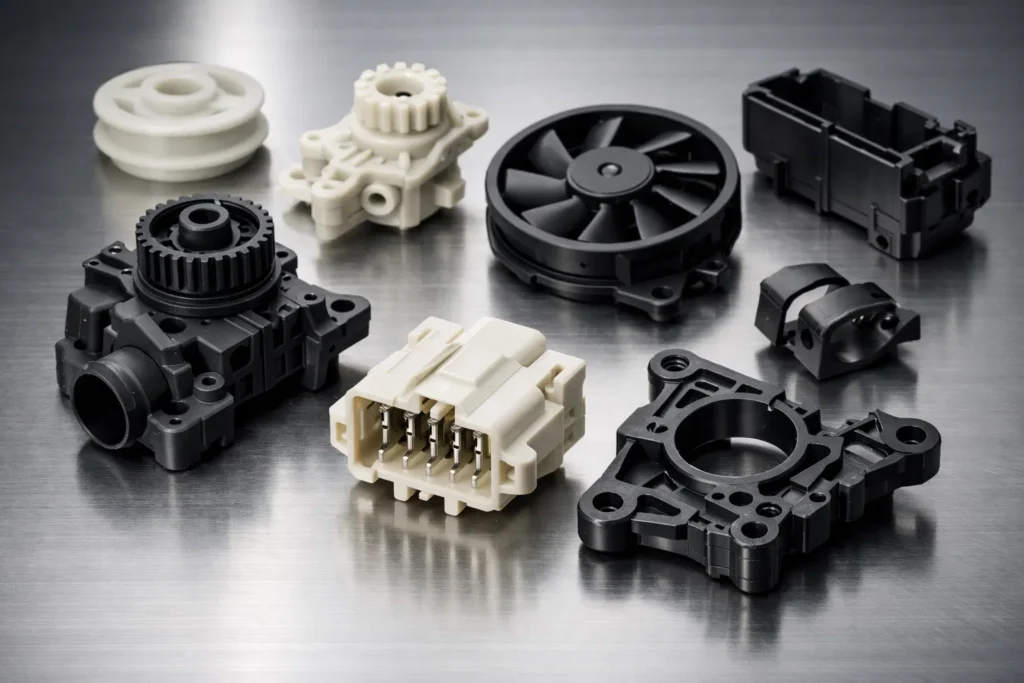
Engineering Plastics
Enhances the mechanical properties and thermal stability of polyester-based engineering plastics for automotive and electronic parts.
Parameter indicators
Technical Data — Liquid Titanium Polyester Catalyst
| Item | Specification | Remark |
|---|---|---|
| Appearance | Clear transparent liquid | — |
| Titanium content (%) | 3 ± 1.5 (custom grades available) | By product code |
| Ethylene glycol content (%) | 80 ± 15 | Solvent / carrier |
| Water content (%) | ≤ 30.0 | — |
| Water stability | No phase separation or precipitation | Storage / handling spec |
| Effective dosage in PET polycondensation | 5 – 30 ppm Ti | vs 200–300 ppm Sb for antimony catalysts |
Why Titanium over Antimony Catalysts
| Property | Antimony (Sb) | Titanium (Ti) |
|---|---|---|
| Catalytic activity | Medium | ≥ 30% higher |
| Dosage | 200 – 300 ppm | 5 – 30 ppm (≈ 1/10 of Sb) |
| Heavy metal content | Contains Sb — REACH restricted in some food-contact applications | Heavy-metal free; REACH / food-contact compliant |
| Polymer hue | Slight grey-blue tone | Improved transparency; b-value controlled with stabilisers |
| Reaction temperature | Higher | Lower → energy and CO₂ savings |
| Acetaldehyde (AA) control | Easier | Requires fine-tuning + SSP for bottle-grade PET |
Color & AA Control
To prevent the yellowing historically associated with titanium catalysts, our system is supplied with optional cobalt / phosphate stabiliser pre-mixes. For bottle-grade PET we recommend coupling polycondensation with a solid-state polymerization (SSP) step to bring acetaldehyde below 1 ppm and meet EU 10/2011 and FDA food-contact migration limits.
Applications
- Fiber-grade PET — polyester filament and staple fibre for textiles and apparel
- Bottle-grade PET — mineral water, carbonated drinks, edible-oil containers (food-contact safe)
- Film-grade PET — packaging, industrial and optical film
- Specialty polyesters — PTT and PBT for engineering plastics and specialty fibres
Packaging specifications
Packaging Options:
25 kg or 200 kg high-density polyethylene (HDPE) drums
1000 kg IBC tanks for large-scale industrial use
Storage:
Store in a cool, dry, and well-ventilated warehouse. Keep containers strictly sealed after use to prevent hydrolysis or moisture pickup.
FAQs for Titanium Ethylene Glycol
1. What is the main advantage of Titanium Ethylene Glycol over antimony-based catalysts?
The primary advantage is its superior catalytic activity and environmental safety. It is a non-toxic, antimony-free alternative that meets global regulatory requirements while significantly improving the brightness (L-value) of the final polyester resin.
2. Does using a titanium catalyst cause yellowing in the final PET product?
Our specially formulated Titanium Ethylene Glycol is engineered to minimize yellowing. By optimizing the titanium coordination environment, it ensures excellent color control and high transparency in both fiber and bottle-grade PET.
3. What is the recommended dosage for Titanium Ethylene Glycol in polyester production?
Due to its high activity, the required dosage is much lower than traditional catalysts—typically 1/10th to 1/5th of the amount of antimony trioxide. We recommend technical trials to determine the optimal dosage for your specific production line.
4. Is Titanium Ethylene Glycol compatible with existing PET production equipment?
Yes, it is fully compatible with standard continuous or batch polycondensation equipment. It can be easily integrated into existing processes without significant modifications to the production line.
5. How should the product be stored to maintain its catalytic performance?
It should be stored in a cool, dry, and well-ventilated warehouse. It is crucial to keep the containers strictly sealed after each use to prevent moisture pickup or hydrolysis, which could affect its catalytic efficiency.
How much can I reduce catalyst loading by switching to titanium?
Typical PET lines move from 200–300 ppm antimony to 5–30 ppm titanium — roughly 1/10 of the dosage. Combined with ~30% higher activity, this delivers both raw-material savings and energy savings.
Will my PET turn yellow with a titanium catalyst?
Early-generation titanium catalysts had b-value issues. Our current formulation supplies a controlled cobalt + phosphate stabiliser package that brings hue parameters in line with antimony-catalysed PET. Custom color tuning is available.
Is your titanium catalyst compliant with REACH and food-contact regulations?
Yes. Titanium catalysts contain no heavy-metal antimony and are accepted under REACH SVHC and major food-contact regulations (FDA 21 CFR 177.1630, EU 10/2011). REACH and migration statements are available on request.
How much can I reduce catalyst loading by switching to titanium?
Typical PET lines move from 200–300 ppm antimony to 5–30 ppm titanium — roughly 1/10 of the dosage. Combined with ~30% higher activity, this delivers both raw-material savings and energy savings.
Will my PET turn yellow with a titanium catalyst?
Early-generation titanium catalysts had b-value issues. Our current formulation supplies a controlled cobalt + phosphate stabiliser package that brings hue parameters in line with antimony-catalysed PET. Custom color tuning is available.
Is your titanium catalyst compliant with REACH and food-contact regulations?
Yes. Titanium catalysts contain no heavy-metal antimony and are accepted under REACH SVHC and major food-contact regulations (FDA 21 CFR 177.1630, EU 10/2011). REACH and migration statements are available on request.
Let's start talking with us
Contact our technical team for personalized advice.
Location
Weisan Road, Green Petrochemical Advanced Materials Base, Mengjin District, Luoyang City
Email us
lyhaihui@haihuixincai.com
Call us
Phone : +86 18837924812
Send us a message
We will be in touch shortly.
Our engineers will analyze your needs and recommend the best products and usage methods free of charge.